Why Some Children Cannot Learn When They Feel Dysregulated
Teachers often tell me they can see a child is struggling, but they are not always sure why. A child may appear distracted, restless, withdrawn or unable to settle, even though they seem perfectly capable of the work.
It’s tempting to see this as a lack of motivation or concentration. Sometimes, though, the real barrier isn’t the lesson at all. It’s that the child’s nervous system doesn’t feel safe enough to learn.
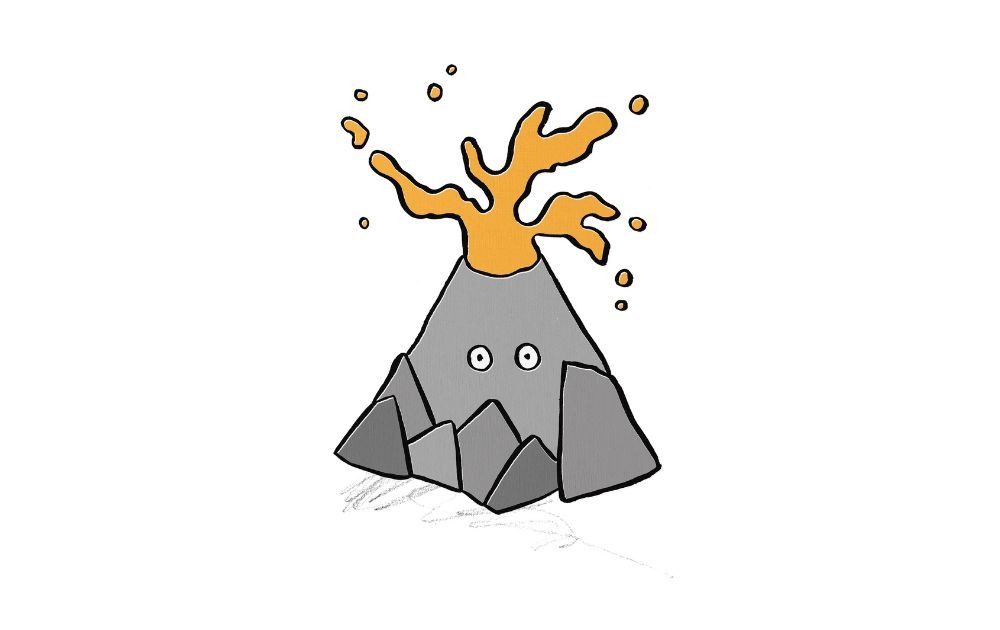
Learning isn’t just something that happens in the brain. It involves the whole body. When children feel calm, connected and emotionally secure, they are much more able to focus, solve problems, remember new information and build positive relationships. When they feel overwhelmed, their energy naturally shifts towards coping with whatever feels difficult or threatening in that moment.
That feeling of overwhelm looks different for every child.
Some children become loud, impulsive or frustrated. Others become quiet, anxious or withdrawn. Some appear to daydream, while others constantly seek movement or reassurance. These behaviours are often seen as problems to fix, but they can also be understood as signs that a child is finding it hard to feel settled enough to learn.
For many SEND and neurodivergent children, everyday aspects of school life can place additional demands on the nervous system. A busy corridor, an unexpected change of routine, too much noise, social pressures or the effort of masking can all contribute to a child becoming dysregulated. That doesn’t mean school is the problem; it means some children need more support to feel safe and able to engage within it.
When we begin to view behaviour through the lens of regulation, the questions we ask naturally change. Instead of wondering, “How do I stop this behaviour?” we start asking, “What might this child need right now?”
That shift doesn’t remove expectations or boundaries. It simply reminds us that children are more likely to respond positively when they feel understood and supported.
The good news is that supporting regulation doesn’t always require complicated interventions. Small, consistent changes can have a meaningful impact. Predictable routines, calm transitions, opportunities for movement, breathing exercises, emotionally available adults and sensory-aware environments can all help children feel more settled and ready to learn.
These approaches don’t only benefit children with identified SEND. Every classroom includes children experiencing worry, tiredness, change, grief or stress, and all children have days when learning feels harder than usual. Creating calmer, more emotionally supportive learning environments benefits everyone.
If you’d like to understand this topic in more depth, our guide, Children’s Nervous System Regulation: A Complete Guide for Parents, Carers, Teachers and Professionals, explores how the nervous system develops, why children become dysregulated and practical ways adults can offer support.
If you’re looking for practical ways to bring these ideas into your school, our SEND Wellbeing Training for Schools shows how movement, breathing and sensory-aware wellbeing practices can help create calmer, more inclusive learning environments where children are better able to participate, connect and learn.