Why Movement Helps Children Regulate Their Emotions
Children were never designed to spend most of the day sitting still.
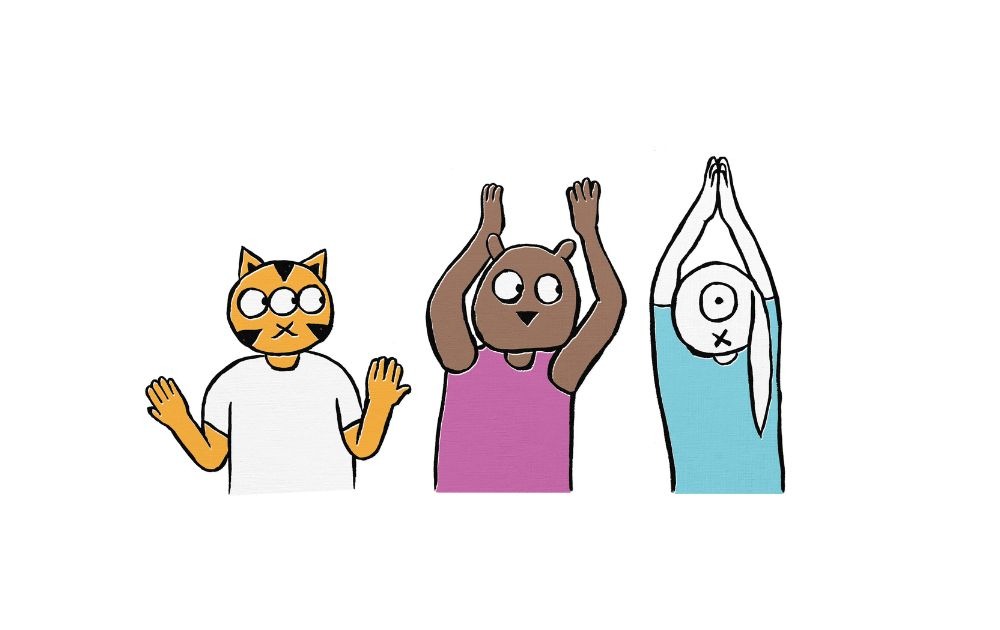
Watch young children at play and you’ll notice how naturally they move. They climb, stretch, spin, jump, roll, balance and wriggle. Movement is one of the ways children explore the world, develop confidence and, perhaps surprisingly, regulate their emotions.
As adults, we sometimes think of movement and learning as separate things. In reality, they are closely connected.
Movement helps children feel more settled
When children are worried, frustrated, excited or overwhelmed, those feelings are often experienced in the body as much as in the mind. You may notice tense shoulders, restless legs, shallow breathing or an urge to fidget.
Movement can provide a healthy way for children to release some of that physical tension. It can also help them reconnect with their bodies and notice how they are feeling, creating the opportunity to pause before emotions become overwhelming.
This doesn’t mean children need energetic exercise every time they are dysregulated. Sometimes a slow stretch, a balancing activity or a few moments of mindful movement are enough to help them feel more settled.
Every child is different
Some children regulate through energetic movement. Others benefit from slow, calming activities.
Children with sensory processing differences, autism or ADHD may have very individual movement needs. One child might find jumping or pushing helpful, while another prefers gentle rocking, stretching or simply lying quietly and focusing on their breathing.
There is no single movement activity that works for every child. The key is to remain curious and notice what helps each child feel calmer, more comfortable and ready to engage.
Movement and learning belong together
Schools are increasingly recognising that movement is not a distraction from learning but something that can support it.
Short movement breaks can help children return to their work with renewed focus. Gentle breathing and stretching activities can ease transitions between lessons, while opportunities to move throughout the day may reduce feelings of restlessness and overwhelm.
Movement becomes another way of supporting children to access learning rather than something that interrupts it.
Where yoga fits
Children’s yoga brings together movement, breathing, body awareness and relaxation in a playful and accessible way.
Unlike competitive sports, there is no expectation to perform or achieve. Children are encouraged to notice how their bodies feel, move in ways that are comfortable and enjoy moments of stillness as well as movement.
For many children, this combination creates valuable opportunities to develop body awareness, confidence and emotional regulation in a way that feels enjoyable rather than demanding.
Supporting children with compassion
There is no quick fix for emotional regulation, and movement is not a magic solution.
What movement can offer is another gentle tool to help children feel calmer, more connected and better able to respond to the challenges of everyday life.
When combined with supportive relationships, predictable routines and emotionally safe environments, movement can become an important part of helping children flourish.
If this has inspired you to explore how movement, breathing and relaxation can support children’s emotional wellbeing, our Move and Mind – Teaching Yoga to Children course provides practical, accessible training for teachers, parents, carers and professionals working with children. You’ll learn how to use simple, inclusive wellbeing practices to help children feel calmer, more connected and ready to learn.
If you’re looking for whole-school support, our SEND Wellbeing Training for Schools can help you create calmer, more emotionally supportive and regulation-friendly learning environments for children and staff alike.