How to Structure a Children’s Yoga Class
Teaching yoga to children is not the same as teaching adults.
Children need movement, variety and a clear sense of what is coming next. A well-structured class helps children feel safe, focused and able to enjoy the experience.
Here is a simple structure you can use.
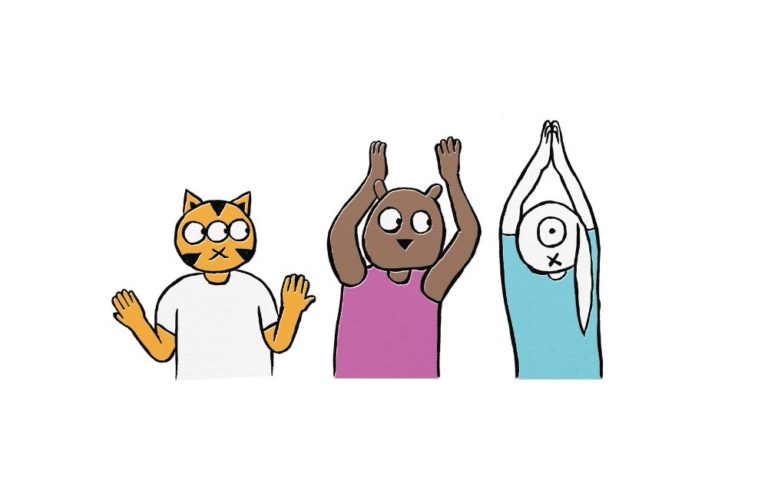
Arrival and Settling
Start by helping children arrive and feel grounded.
This might include:
Sitting in a circle
A simple breathing practice
A captivating, perhaps silly, movement-into-stillness activity
A short check-in
This part needs assertiveness and an atmosphere that is calm. It sets the tone for the whole session.
Warm-Up
Children benefit from moving before a need to focus.
Use:
Gentle stretches
Simple movements
Playful actions
Think of this as preparing both the body and the mind.
Main Movement (Games and Sequences)
This is the most active part of the class.
You can include:
Yoga games
Adventure story-based movement
Simple sequences
This is where children build strength, coordination and confidence.
Slowing Down
After active play, children need help to transition to the relaxation part of the session.
Use:
Listening games
Slower movements
Fun but focused, breathing exercises
This helps shift their energy from active to calm.
Relaxation
Relaxation is one of the most important parts of the class.
It helps:
The nervous system settle
Heart rate and breathing to slow
Muscles to release leftover tension
Stress hormones to decrease
Children learn stillness
Keep it short and accessible.
Closing
End with a simple, consistent ritual.
This might be:
A thank you
A short reflection
A familiar phrase
Children benefit from knowing when something has clearly finished.
Final Thought
Children thrive on structure that feels like fun.
When your class has a clear beginning, middle and end, children feel more confident, and teaching becomes much easier.
Join our comprehensive children’s yoga teacher training to fill that structure with joyful games and adventures.