Using Props to Make Breathing Fun for Children
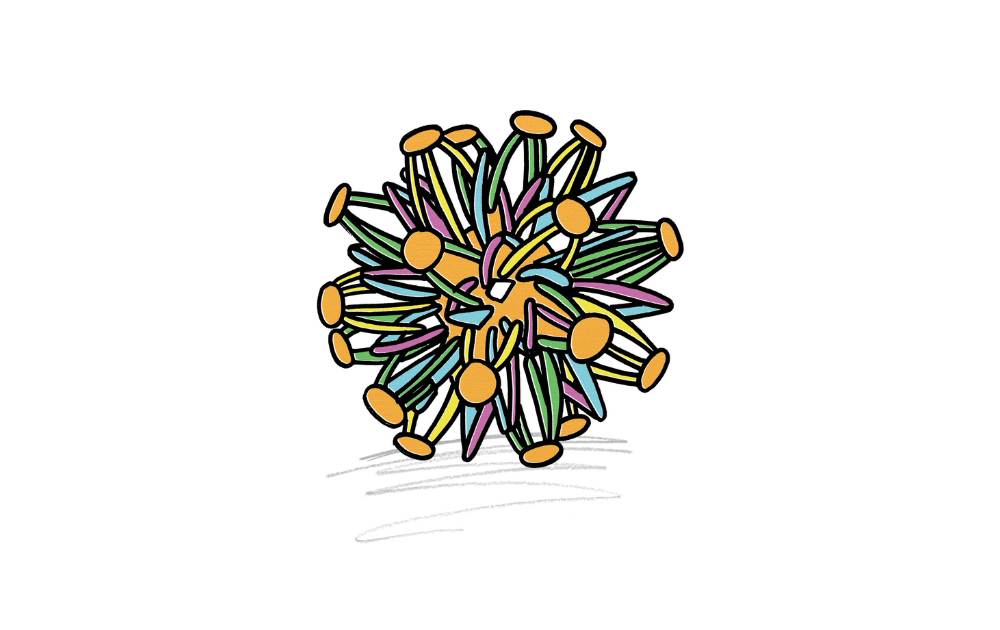
Teaching children how to breathe deeply can sometimes feel tricky. They may get distracted or forget the rhythm. Props, like a Hoberman sphere, (an expanding ball like the one shown in the picture), can turn breathing exercises into a visual and interactive experience, making it engaging, fun, and memorable.
Here’s how to use props effectively in your sessions.
Setting the Scene
Start by helping children focus on their breath.
You might:
Sit in a circle
Show the prop (e.g., a Hoberman sphere)
Ask children what they notice about it. Colours, shape, size
Explain that just like the sphere can expand and contract, our chests and lungs do the same when we breathe
This helps children connect a tangible object to an abstract idea – breathing.
Demonstrate the Breath
Props work best when you model the behavior first.
Try this:
Slowly expand the Hoberman sphere while saying, “Breathe in… fill your lungs…”
Slowly contract it while saying, “Breathe out… let it go…”
This gives children a visual cue for inhaling and exhaling, making the rhythm easy to follow.
Guided Practice
Once they understand the concept, invite children to try with you:
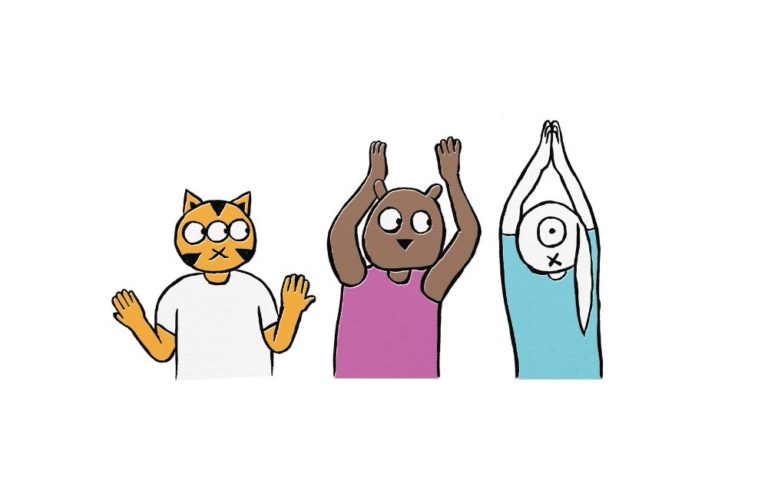
Pair the breath with movements, like stretching arms wide while inhaling and wrapping them around themselves in a big self-hug while exhaling
Encourage gentle, slow breathing rather than forcing deep breaths
Use the sphere to keep everyone focused
Props can make these exercises feel like a game rather than a lesson.
Make It Interactive
Engagement increases when children can manipulate the prop themselves:
Children can take turns to expand and contract the Hoberman sphere as the class breathes together
Use the sphere in breathing games, like “inflate the bubble” or “slow-motion balloon”
Ask children to notice how their body feels when breathing in sync with the sphere
This builds awareness of their own breath and body.
Connect Breath to Emotion
Breathing exercises can help children regulate feelings:
Use the sphere to show how breath can calm the body with slow, steady expansions and contractions for relaxation
Label emotions gently: “If you feel uncomfortable or upset, your breath can help you feel calm again”
Props give children a tool for emotional regulation.
Closing the Exercise
Finish with a short reflection:
Ask children how they feel after the breathing activity
Encourage them to try using “breathing props” at home with imagination, using just their hands
Ending with reflection helps children notice the benefits of the practice.
Props like a Hoberman sphere make breathing visible, interactive, and playful. They give children a clear way to understand and practice deep, mindful breathing, helping them feel calm, focused, and in control of their emotions.
Learning to teach breathing exercises means you can give children essential regulation tools. Check out our Breathe and Balance course to learn lots more ways.