Children’s Nervous System Regulation: A Complete Guide for Parents, Carers, Teachers and Professionals
Children cannot learn, sleep or connect when their nervous system feels unsafe. Understanding regulation changes how we support behaviour, emotions and wellbeing.
Many behaviours children and adults struggle with; anxiety, meltdowns, restlessness, withdrawal or poor sleep, are not problems of behaviour, but signs of dysregulation.
Understanding how the nervous system works changes how we support children. Instead of trying to control behaviour, we learn to create the conditions in which children feel calm, connected and ready to engage.
This guide brings together wisdom from children’s yoga, sleep support, breathwork and regulation-informed practice to help adults confidently support children’s wellbeing.
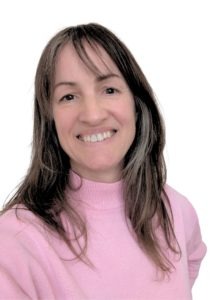
Written by Jane Collins, children’s wellbeing trainer specialising in yoga, breathing, rest and nervous system regulation.
What is the nervous system?
The nervous system is the body’s internal safety system. It constantly asks one essential question:
Am I safe right now?
When a child feels safe, their brain and body move into a regulated state. In this state, children can:
- focus and learn
- manage emotions
- connect socially
- sleep well
- problem solve
When the nervous system detects stress or threat, even small everyday challenges can push a child into survival responses.
These responses are automatic. Children are not choosing them.
Calm & Connected (Regulated)
The child feels safe, curious and able to engage.
Fight or Flight (Hyper-arousal)
Restlessness, impulsivity, anxiety, aggression or overwhelm.
Shutdown (Hypo-arousal)
Withdrawal, fatigue, avoidance or emotional numbness.
Why children become dysregulated
Children’s nervous systems are still developing. They rely heavily on adults and environments to help them regulate.
Common triggers include:
- transitions between activities
- sensory overload
- tiredness or poor sleep
- emotional stress
- unpredictable environments
- lack of movement
- feeling misunderstood or unsafe
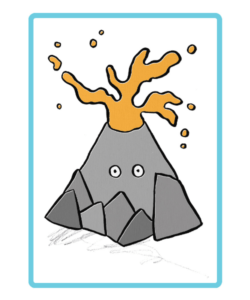
Often what appears as “challenging behaviour” is actually a nervous system trying to cope.
When we recognise dysregulation, our role shifts from discipline to support.
Co-regulation vs Self-regulation
Self-regulation does not develop in isolation.
Children first learn regulation through co-regulation. You could describe co-regulation as borrowing the calm nervous system of a trusted adult.
This happens when adults:
- stay emotionally steady
- slow their voice and movements
- offer connection before correction
- model breathing and calm responses
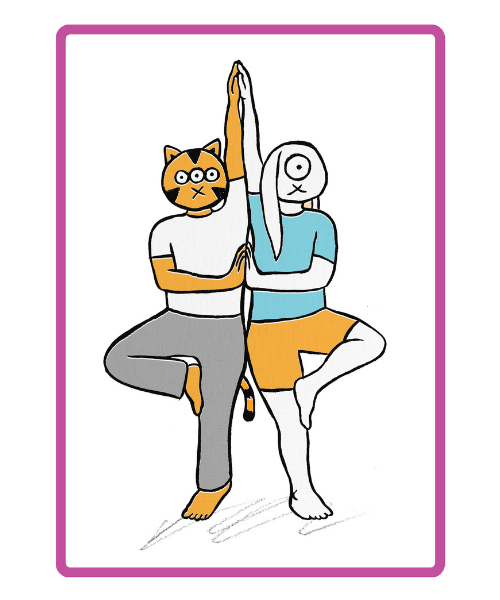
Over time, repeated co-regulation becomes internalised, allowing children to self-regulate independently.
Expecting young children to self-regulate without adult support is like expecting them to read before being taught language.
Signs of dysregulation in children
Dysregulation can look different from child to child.
External Signs
- shouting or aggression
- constant movement
- difficulty concentrating
- impulsivity
- emotional outbursts
Internal Signs
- withdrawal
- perfectionism
- anxiety
- avoidance
- fatigue or shutdown
Understanding these signs helps adults respond with curiosity rather than frustration.
Effective regulation strategies
Regulation is not taught through talking alone. It is experienced through the body.
Movement
Movement releases stress hormones and restores balance. Stretching, yoga, play and rhythmic movement help reset the nervous system.
Breath
Slow breathing signals safety to the brain. Longer exhales encourage calming responses.
Connection
Eye contact, warmth and presence are powerful regulators. Relationship is one of the strongest tools adults have.
Rhythm & Routine
Predictable routines reduce uncertainty and support emotional safety.
Sensory Support
Quiet spaces, calming sounds or tactile objects can help children reorganise when overwhelmed.
No single strategy works for every child. Regulation is individual and responsive.
Regulation in schools and learning environments
Learning depends on regulation. School across the UK are increasingly recognising the importance of emotional wellbeing, regulation and relational approaches within education.
When children feel unsafe or overwhelmed, the brain prioritises survival rather than learning.
Regulation-supportive classrooms often include:
- predictable routines
- movement opportunities
- calm transitions
- emotionally attuned adults
- opportunities for connection
Behaviour improves naturally when nervous systems feel supported.
The connection between regulation and sleep
Sleep and regulation are deeply connected.
A dysregulated nervous system struggles to settle at night, leading to:
- bedtime resistance
- night waking
- anxiety around sleep
Supporting regulation during the day, through movement, breath and connection, often improves sleep more effectively than bedtime strategies alone.
How yoga and breath support regulation
Children naturally regulate through movement and breath.
Yoga combines:
- movement
- breathing
- body awareness
- relaxation
- rhythm
These elements help children experience calm in a practical, embodied way.
Regular yoga and breathing practices can support:
- emotional awareness
- focus
- resilience
- sleep quality
- confidence
We also provide SEND wellbeing training and emotional regulation workshops for schools looking to create calmer and more inclusive learning environments.
Want to teach yoga to children?
Many teachers, therapists and parents discover that understanding regulation inspires them to teach regulation practices, such as yoga, to children.
If you would like structured training in children’s wellbeing, yoga, breathing and regulation practices, consider our course Move and Mind – Teaching Yoga to Children
About the author
I specialise in training professionals and parents to support children’s wellbeing through yoga and nervous system regulation. My work integrates movement, breath, emotional understanding and strategies that can be used in homes, schools and therapeutic settings.
I am the lead trainer for the course Move and Mind – Teaching Yoga to Children.