Benefits of Yoga for Children – a guide for parents, carers, teachers and all professionals working with children
The Research-Backed Benefits of Yoga for Children
Children today experience increasing academic pressure, sensory stimulation and emotional demands. Yoga offers an effective, accessible way to support children’s physical health, emotional wellbeing, confidence and readiness to learn.
Far beyond stretching, children’s yoga combines movement, breathing, mindfulness and play to support healthy nervous system development, strong bodies and an ability to focus.
What Makes Children’s Yoga Different?
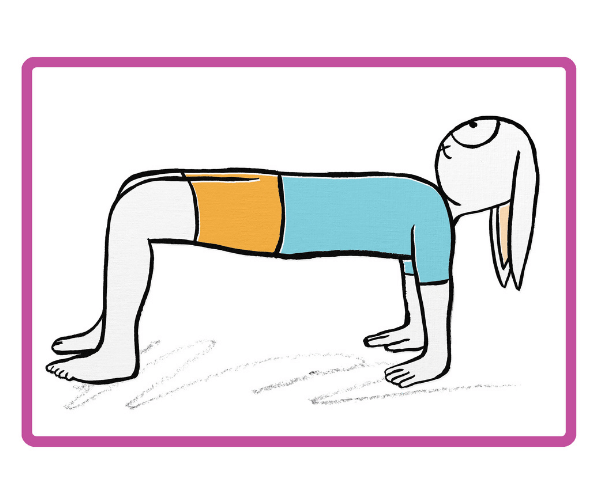
Children’s yoga is adapted specifically for developing bodies and minds.
Sessions typically include:
- imaginative movement
- breathing exercises
- relaxation
- storytelling
- games that build awareness and confidence
The goal is not perfect poses but creating experiences connection and self-awareness.
Physical Benefits of Yoga for Children
Research shows that regular yoga practice can improve:
- balance and coordination
- posture and core strength
- flexibility and mobility
- body awareness
These skills support overall physical development and reduce tension held in the body from stress or inactivity.
Emotional and Mental Health Benefits
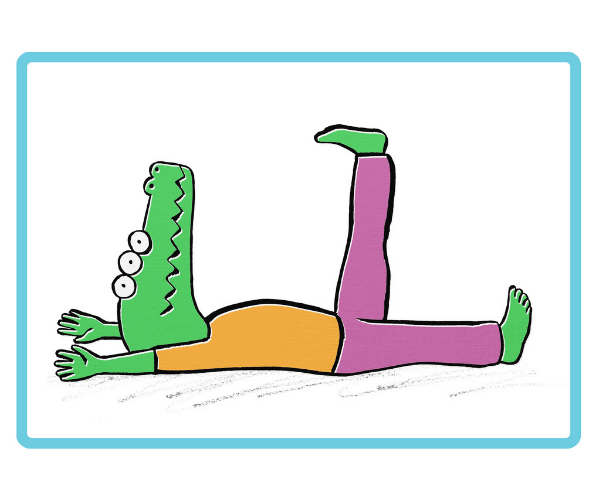
Yoga supports emotional regulation by helping children notice body sensations linked to emotions.
Studies associate yoga participation with:
- reduced anxiety
- improved mood
- greater emotional awareness
- increased resilience
Children learn that feelings can change and that they have tools to help themselves feel calmer.
Cognitive and Learning Benefits
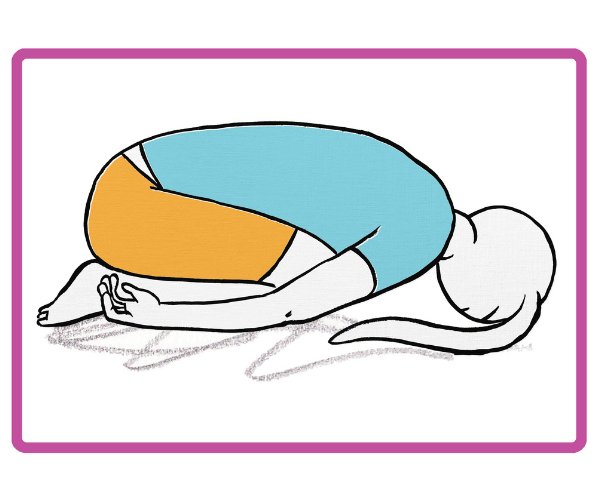
When the nervous system is regulated, learning becomes easier.
Yoga practices have been linked to improvements in:
- attention and concentration
- executive functioning
- classroom engagement
- impulse control
Short movement and breathing practices can help children reset attention during the school day.
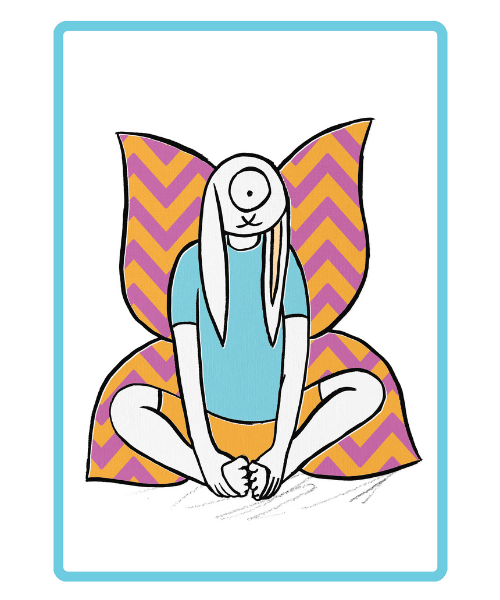
Social Benefits
Children’s yoga encourages cooperation rather than competition.
Practices often promote:
- empathy
- listening skills
- confidence
- respectful interaction
Group yoga experiences help children feel connected and included.
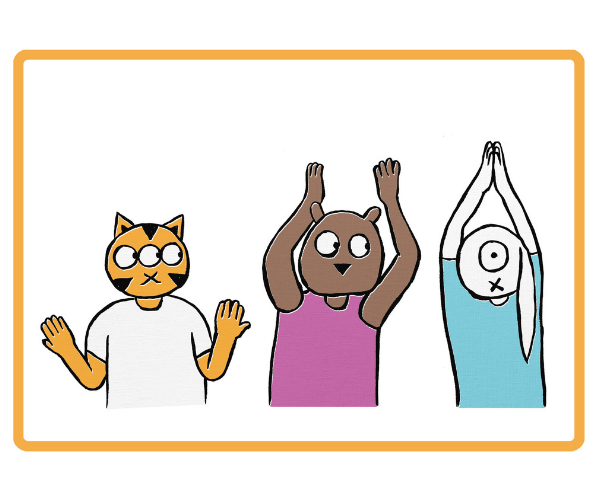
Why Schools are Introducing Yoga
Across the UK, schools increasingly recognise the link between wellbeing and learning outcomes.
Yoga is being introduced to support:
- mental health initiatives
- behaviour regulation
- transition support
- staff wellbeing programmes
Teachers frequently report calmer classrooms and improved focus following regular yoga sessions.
How Yoga Supports Sleep and Relaxation
Movement and breath activate calming nervous system responses, making yoga particularly helpful for children who struggle with:
- bedtime settling
- anxiety
- restlessness
- emotional overwhelm
Gentle evening yoga routines help signal safety and readiness for sleep.
Who can Train to Teach Children’s Yoga?
Children’s yoga is taught by a wide range of professionals, including:
- teachers
- teaching assistants
- therapists
- wellbeing practitioners
- yoga teachers
- parents seeking a new career pathway
Training gives tools to support children’s physical and emotional wellbeing confidently.
If you would like structured training in children’s wellbeing, yoga, breathing and regulation practices, consider our course Move and Mind – Teaching Yoga to Children.
About the Author
I specialise in training professionals and parents to support children’s wellbeing through yoga and nervous system regulation. My work integrates movement, breath, emotional understanding and strategies that can be used in homes, schools and therapeutic settings.
I am the lead trainer for the course Move and Mind – Teaching Yoga to Children.